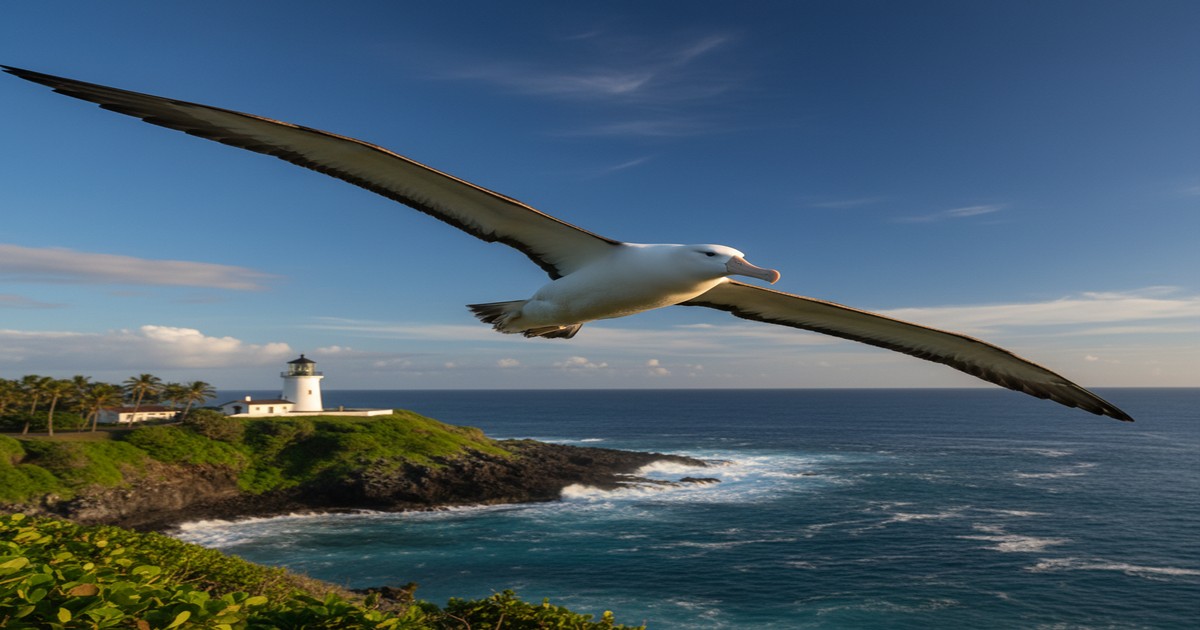
The mighty albatross. These majestic seabirds nest right in neighborhoods and golf courses. Best viewing spots, nesting season tips & conservation stories.
Shoots! So you wanna see albatross on Kauai? Let me tell you - this is one of the most amazing wildlife experiences on the island, and you don't even need to go to some remote location. These massive seabirds, called mōlī in Hawaiian, literally nest in people's yards, on golf courses, and along residential streets. I'm talking about the Laysan albatross, and their presence here is both magical and kinda wild when you see one chilling on someone's lawn 🌺
The first time I saw an albatross up close, I was driving through Princeville and nearly drove off the road. This massive bird with a six-foot wingspan was just... there. Sitting on the grass like it owned the place. Because honestly? During nesting season, they kinda do.
Why Albatross Come to Kauai
Here's the thing about Laysan albatross - they spend most of their lives at sea, flying thousands of miles across the Pacific. But every November through July, they return to their nesting grounds to raise their chicks. And Kauai? We've got some of the most important nesting colonies outside of the Northwestern Hawaiian Islands.
These birds are incredibly loyal. Once they find a mate, they're together for life. And I mean LIFE - albatross can live 60+ years. Every year, they return to the exact same nesting spot, reuniting with their partner in these elaborate greeting dances that honestly look like they're doing some kind of synchronized routine. It's beautiful to watch.
Best Places to See Albatross on Kauai
Kilauea Point National Wildlife Refuge is hands down the most reliable spot to see albatross on Kauai. This is where serious birders and conservationists go, and for good reason. The refuge protects critical nesting habitat, and you can observe these birds from designated viewing areas without disturbing them.
The refuge is open most days (check current hours before you go), and there's a small entrance fee. But honestly? Worth every penny. You'll see not just albatross but also red-footed boobies, great frigatebirds, and if you're lucky, endangered nēnē geese. Bring binoculars if you have them.
Makai Golf Course in Princeville has become famous for its albatross colony. I'm not kidding when I say these birds nest right on the fairways. The golf course has done amazing work protecting the nests - they rope off areas and golfers just play around them. You can check out the colony at https://www.makaigolf.com to learn more about their conservation efforts.
If you're not golfing, you can still see albatross in the Princeville area. is legendary among locals. November rolls around, and suddenly these massive birds are just hanging out in front yards. It's surreal but awesome.
Kaweonui Road
The Albatross Nesting Season Timeline
The 2025 season is already underway, and lemme break down what happens when:
November: The first birds start arriving back from sea. This is exciting because you'll see the reunion dances between mates who haven't seen each other in months
December-January: Eggs are laid (one egg per pair). The parents take turns incubating while the other goes to sea to feed
February-March: Chicks start hatching. These fuzzy gray babies are adorable but kinda awkward-looking
April-June: Chicks grow rapidly. You'll see them exercising their wings, getting ready for their first flight
July: Fledging time! The young birds take off for sea, and the adults head out too
Right now in 2025, we're seeing some interesting developments. There's a new breeding colony at the Point at Poʻipu - a chick just fledged from there in July 2025, which is huge news. This shows the population is expanding to new areas on the south shore.
Conservation Efforts You Should Know About
The work being done to protect albatross on Kauai is seriously impressive. Local conservation groups track individual birds, monitor nests, and rescue chicks that get into trouble.
One thing that breaks my heart but is important to know - loose dogs are a major threat to albatross chicks. Back in 2012, there was a devastating incident where dogs attacked a colony of ready-to-fledge chicks. That's why you'll see so many signs asking people to keep their pets leashed during nesting season.
The good news? The 2025 nest count is UP. More pairs are nesting, more chicks are surviving, and the population is growing. This is thanks to dedicated volunteers and organizations working year-round to protect these birds.
If you're interested in the science behind it all, check out Kauai's wildlife conservation efforts - there's some fascinating research happening here.
How to Respectfully View Albatross
Look, these birds are incredible, but they're also vulnerable. Here's how to enjoy them without causing problems:
Stay at least 10 feet away - Albatross may look chill, but getting too close stresses them out
Never touch or feed them - They're wild animals, and human food can harm them
Keep dogs on leash - This is non-negotiable during nesting season
Don't use flash photography - Bright lights can disorient the birds
Stay on designated paths - At refuges and protected areas, stick to where you're supposed to be
Drive slowly in nesting areas - Seriously, these birds sometimes just sit in the road
If you see a chick that looks injured or in distress, don't try to rescue it yourself. Contact the Kauai Humane Society or a wildlife rescue organization.
The Science Behind Mōlī Behavior
One of the coolest things about Laysan albatross is their mate-for-life behavior. When a pair reunites after months at sea, they perform this elaborate greeting ceremony - bill clacking, synchronized head movements, calling back and forth. It's like they're saying "Hey! We made it! Let's do this again!"
Young albatross don't breed right away. They spend years at sea, learning the ropes, before returning to land to find a mate. Once they do, they practice their courtship dances for several seasons before actually nesting. When you see young birds hanging out together doing these dances, they're basically figuring out who they vibe with.
The navigation abilities of these birds blow my mind. They can fly thousands of miles across open ocean and return to the exact same nesting spot year after year. Scientists are still studying how they do it, but it involves a combination of visual landmarks, magnetic field detection, and probably some skills we haven't even figured out yet.
Albatross Photography Tips
If you wanna capture these beautiful birds, here's what works:
Early morning or late afternoon gives you the best light
Cloudy days can actually be great - less harsh shadows
Telephoto lens if you have one - lets you get close-up shots while maintaining distance
Be patient - The best shots come when birds are naturally doing their thing, not when you're trying to make something happen
During chick season, you'll get amazing photos of the fluffy babies. They're curious and will often look right at you, which makes for great portraits. Just remember to keep your distance.
When NOT to Visit
Real talk - there are times when it's better to stay away from nesting areas:
During heavy rain or storms, albatross chicks are vulnerable. They're not waterproof yet, and they need to stay dry. Extra human activity during bad weather adds unnecessary stress.
Late at night, fledgling chicks sometimes get disoriented by lights and can crash-land in weird places. If you're driving at night during fledging season (June-July), be extra careful and watch for birds on roads.
The Cultural Significance of Mōlī
In Hawaiian culture, mōlī hold special significance. They're seen as messengers between the physical and spiritual worlds. The fact that they spend most of their lives at sea but always return home resonates deeply with Hawaiian values of connection to place and family.
Some families consider it good luck when albatross nest on their property. Others see it as a responsibility - they're hosting these incredible creatures and need to protect them.
Getting Involved in Conservation
If seeing the albatross inspires you (and how could it not?), there are ways to help:
Volunteer with local conservation groups - They always need people to help with nest monitoring and beach cleanups
Donate to wildlife organizations - Conservation work isn't free
Spread awareness - Tell people about keeping dogs leashed and respecting nesting areas
Support businesses that protect habitat - Like the Makai Golf Course, which has made albatross protection a priority
The Friends of Kauai Wildlife Refuges offers educational programs throughout the season. They're doing a lecture series in November 2025 about the nest count and demographic project - super interesting if you're into the science side of things.
Planning Your Albatross Visit
Best time to visit: January through June gives you the full experience - from eggs to chicks to fledglings
What to bring:
Binoculars for viewing from a respectful distance
Camera with telephoto lens
Sunscreen and hat (you'll be outside awhile)
Water
Patience 🤙
Where to stay: Princeville puts you closest to major nesting areas, but you can see albatross from anywhere on the north shore
Seeing albatross on Kauai is one of those experiences that reminds you why this island is so special. These massive seabirds choosing to nest in our neighborhoods, trusting us to coexist with them - it's a privilege. And it's on all of us to make sure future generations get to experience this too.
The fact that the 2025 nesting season is showing increased numbers? That's something to celebrate. It means the conservation work is paying off. It means people are being respectful. It means these incredible birds will keep coming back.
So yeah, go see the albatross. Bring your camera. Watch them dance. Marvel at the chicks. But do it right - keep your distance, follow the rules, and remember you're a guest in their home.
Questions about where to spot albatross or other wildlife on Kauai? Chat with me at https://alohakai.ai 🤙
⚠️ Always maintain a safe distance from wildlife and never approach or feed wild animals. Stay on designated paths and follow all posted guidelines at wildlife refuges.