History of Surfing Hawaii: Ancient Sport of Kings (2025)
Looking for the real story behind surfing in Hawaii? From ancient Polynesian kings to Duke Kahanamoku going global - here's how the islands created the world's most iconic water sport.
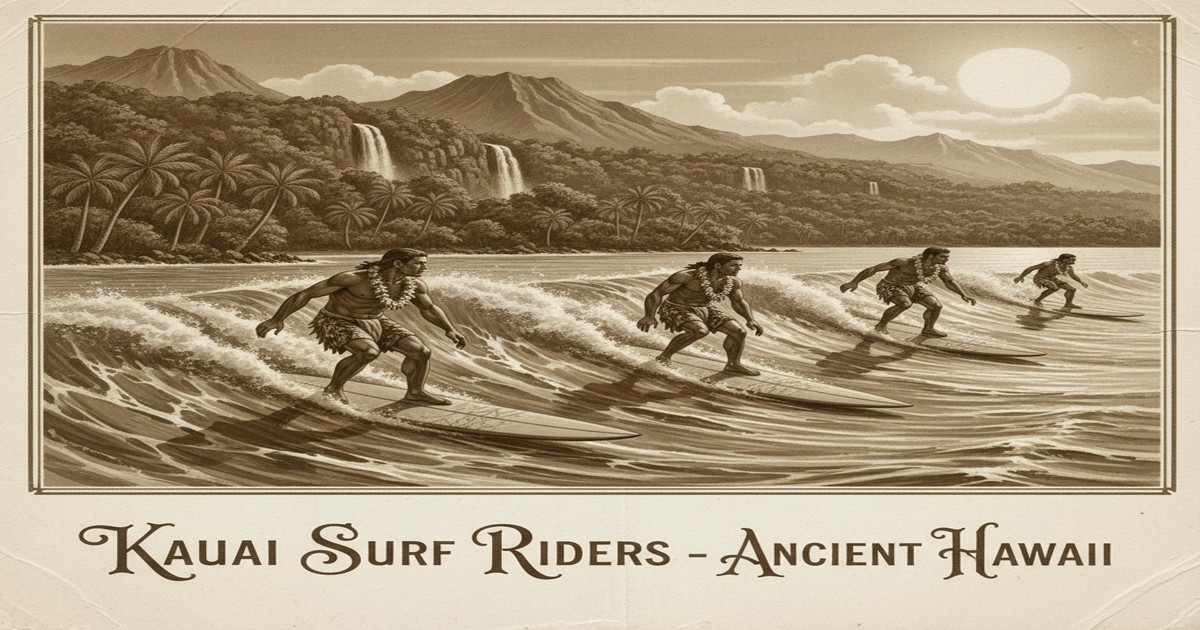
Shoots! So you wanna know about the history of surfing in Hawaii? Lemme tell you - this isn't just some sport that popped up in the 60s. We're talking about an ancient tradition that goes back over a thousand years, where Hawaiian aliʻi (royalty) rode massive wooden boards on waves that would make modern surfers think twice. The history of surfing Hawaii is basically the history of Hawaiian culture itself, and understanding it changes how you see every surfer paddling out at your local break.
I've spent years diving into this story, talking to kupuna (elders), visiting ancient surf sites, and yeah - catching plenty of waves myself. What most people don't realize is that surfing was basically banned for decades, almost died completely, and then came roaring back thanks to some legendary Hawaiians who refused to let it disappear. Wild, right? 🌊
The Ancient Polynesian Roots of Surfing
Here's where it all started - somewhere around 400 AD, when the first Polynesians made the incredible journey from the Marquesas Islands to Hawaii. They brought with them the art of heʻe nalu (wave sliding), and it quickly became woven into the fabric of Hawaiian society.
But this wasn't just recreation. Surfing in ancient Hawaii was deeply spiritual and social:
Chants and prayers were offered to the ocean gods before entering the water
Competitions determined social status and could even settle disputes
Surf breaks were considered sacred, with specific waves reserved for aliʻi
Board making involved sacred rituals, prayers, and careful selection of koa or wiliwili trees
The boards themselves were insane - we're talking 16-foot olo boards weighing 200+ pounds, carved from solid koa wood and reserved exclusively for the chiefs. Commoners rode shorter alaia boards (around 7-12 feet), but even these required serious skill to master.
The Sport of Kings: Social Hierarchy in Hawaiian Surfing
This is what blows people's minds - surfing wasn't just something anyone could do anywhere. The ancient Hawaiian system of kapu (sacred laws) strictly regulated who could surf where and on what kind of board.
The hierarchy looked like this:
Aliʻi (Chiefs and Royalty): Rode massive olo boards, had access to the best breaks, and could surf whenever they wanted
Kahuna (Priests): Had special privileges and often blessed the boards and waves
Makaʻāinana (Commoners): Rode smaller boards and were restricted from certain premium surf spots
Breaking these rules wasn't just disrespectful - it could literally get you killed. The penalty for a commoner surfing a royal break? Death. That's how seriously they took this sport.
But here's the cool part - surfing was also one of the few ways a commoner could gain respect and status. If you were an incredible surfer, even the aliʻi would notice. Some of the most legendary surfers in Hawaiian history started as commoners who earned their reputation through pure skill on the waves.
The Near-Death of Hawaiian Surfing Culture
Okay, this part hurts to talk about, but it's crucial to understanding the history of surfing in Hawaii. When Christian missionaries arrived in the early 1820s, they saw surfing as "idle amusement" and basically tried to kill it off completely.
What happened:
Missionaries preached that surfing was sinful and a waste of time
They pushed Hawaiians to focus on work and Christian worship instead
Traditional practices, including surfing, were actively discouraged
The kapu system was abolished, which stripped away much of surfing's cultural significance
Diseases brought by foreigners decimated the Hawaiian population
By the late 1800s, surfing had nearly disappeared. Ancient surf breaks fell silent. The knowledge of board-making and wave-reading was fading with each generation. It was a dark time for Hawaiian culture.
But you can't kill something that's in the blood of a people, you know? 🤙
Duke Kahanamoku: The Man Who Saved Surfing
If you only know one name from the history of surfing in Hawaii, make it Duke Paoa Kahanamoku. This Waikiki waterman didn't just save surfing - he spread it across the entire world and became Hawaii's greatest ambassador.
Born in 1890, Duke grew up swimming and surfing the breaks of Waikiki. He was a natural in the water, and when he wasn't surfing, he was swimming competitively. In 1912, he won Olympic gold in swimming and used his fame to introduce surfing to the mainland United States and Australia.
Duke's impact was massive:
Olympic Champion: Five Olympic medals in swimming (1912-1924)
Surfing Ambassador: Gave demonstrations in California, Australia, and beyond
Cultural Icon: Showed the world that Hawaiian culture was alive and vibrant
Beach Boy Legacy: Helped establish Waikiki as the surfing capital of the world
I always tell people - Duke didn't just ride waves, he rode the wave of Hawaiian cultural revival. At a time when Hawaiian traditions were being suppressed, he stood proud and showed the world what Hawaiian excellence looked like.
His statue on Waikiki Beach? That's where he belongs, forever facing the ocean with his arms open in aloha. Every surfer who visits Oahu pays their respects there.
The Evolution: From Wooden Planks to Modern Shortboards
The boards themselves tell an incredible story of innovation and adaptation. Let me break down how we went from 200-pound logs to the high-performance boards you see today:
Ancient Era (Pre-1820s):
Olo boards: 16-24 feet, 200+ pounds, made from koa
Alaia boards: 7-12 feet, thin and fast, for commoners
Paipo boards: Bodyboards made from wood
Revival Era (1900s-1950s):
Solid wood boards: Still heavy (100+ pounds) but more manageable
Hollow boards: Tom Blake's innovation in the 1920s reduced weight significantly
Balsa wood: Made boards lighter and more maneuverable
Revolution Era (1960s-1970s):
Foam and fiberglass: Changed everything - boards became light and affordable
Shortboard revolution: From 9-foot longboards to 6-foot shortboards
Performance surfing: New designs allowed radical maneuvers
Modern Era (1980s-Present):
Computer-shaped boards: Precision design for specific wave conditions
Alternative materials: Carbon fiber, epoxy, even recycled materials
Specialty boards: From big-wave guns to foil boards
Each evolution made surfing more accessible while also pushing the limits of what's possible on a wave.
Kauai's Role in Surfing History
Now, most people think of Oahu when they think about Hawaiian surfing history - and yeah, Waikiki and the North Shore are legendary. But lemme tell you about Kauai's authentic contribution to the story.
Kauai has always been the quiet keeper of traditional Hawaiian culture. While Oahu commercialized, we kept it real. Some of the most significant surf sites in Hawaiian history are right here on the Garden Isle:
Ancient surf breaks that were used by aliʻi still exist here, relatively unchanged by development. You can paddle out at certain spots and know you're riding the same waves that Hawaiian chiefs rode centuries ago. That connection to history? You can't find that everywhere.
The Kauai surf community has also been crucial in preserving traditional board-making techniques and passing down the cultural knowledge that almost disappeared. Local families here still tell stories passed down through generations about legendary surfers and sacred waves.
Plus, Kauai's diverse coastline - from the mellow south shore to the powerful north shore breaks - has produced some incredibly versatile surfers who understand the ocean in that old-school Hawaiian way. It's not just about performance; it's about respect, reading the ocean, and understanding your place in nature.
The Cultural Significance: More Than Just a Sport
Here's what tourists often miss - surfing in Hawaii was never just about riding waves for fun. It was (and still is) deeply spiritual and cultural.
Traditional beliefs around surfing:
The ocean is a living entity deserving respect and offerings
Certain waves have mana (spiritual power)
Surfing connects you to your ancestors who rode the same waves
The ocean teaches patience, humility, and respect
Even today, many local surfers maintain these traditions. Before a big session, you might see someone make an offering to the ocean or say a prayer. It's not superstition - it's acknowledging that we're guests in the ocean's domain.
The concept of "aloha spirit" in the water means:
Respecting the lineup and waiting your turn
Helping others in trouble without hesitation
Sharing waves and knowledge with humility
Understanding that the best surfer isn't the one who gets the most waves, but the one who has the most fun while respecting others
This is why locals get frustrated with aggressive tourists who paddle out and snake waves without any respect for the culture or the community. The history of surfing in Hawaii teaches us that surfing is about more than individual performance - it's about connection and respect.
The Modern Hawaiian Surf Scene
Fast forward to today, and Hawaiian surfing has evolved while maintaining its cultural roots. The islands produce some of the world's best surfers, from big-wave legends to championship tour competitors.
What makes Hawaiian surfers special:
Grew up in powerful, challenging waves that demand respect
Learned from kupuna and local surf communities
Understand the cultural and spiritual aspects of surfing
Have that "go for it" mentality that comes from riding heavy waves
Places like Pipeline, Sunset Beach, and Waimea Bay on Oahu's North Shore have become proving grounds for the world's best surfers. But the spirit of Hawaiian surfing - that blend of skill, respect, and cultural connection - that's what sets it apart.
And here on Kauai? We've got our own legendary breaks where you can still feel that ancient connection. Explore Kauai's authentic experiences to understand what I mean.
Living History: Surfing's Impact on Modern Hawaii
The history of surfing in Hawaii isn't just about the past - it's alive today in ways that shape island culture and economy:
Economic Impact:
Surf tourism brings millions to the islands annually
Surf schools, board shapers, and photographers make their living from the sport
Major competitions like the Vans Triple Crown bring global attention
Cultural Preservation:
Surfing helps keep Hawaiian language and traditions alive
Youth programs use surfing to teach cultural values
Traditional board-making and wave knowledge are being documented and preserved
Environmental Awareness:
Surfers are often the first to notice ocean changes and pollution
Many conservation efforts are led by the surf community
Beach cleanups and reef protection initiatives have strong surf community support
The connection between surfing and Hawaiian identity remains strong. When you see a local kid learning to surf from their kupuna, you're watching history continue - the same knowledge being passed down that's been flowing for over a thousand years.
What This Means for You
Whether you're a surfer or just someone interested in Hawaiian culture, understanding the history of surfing in Hawaii changes how you experience the islands. When you see someone paddling out, you're watching a tradition that predates European contact with the Americas. When you stand on a beach watching the waves, you're standing where ancient Hawaiians performed sacred rituals before entering the ocean.
If you're planning to surf in Hawaii:
Take a lesson from a local instructor who can teach you the cultural context
Learn basic surf etiquette and respect the lineup
Ask questions and show genuine interest in the history
Consider visiting lesser-known spots on Kauai where the vibe is more authentic
Remember that you're participating in something sacred to Hawaiian culture
If you're interested in living here:
The surf culture is a huge part of island life. Many people move to Hawaii specifically for the waves, but the ones who truly integrate into the community are those who understand and respect the cultural significance of surfing. Check out Aloha Henry if you're thinking about making Kauai your home - understanding surf culture here is essential.
The Future of Hawaiian Surfing
Looking ahead, Hawaiian surfing faces both challenges and opportunities. Climate change threatens some historic breaks, development pressures continue, and the balance between tourism and cultural preservation remains delicate.
But here's what gives me hope: The younger generation of Hawaiian surfers is deeply connected to their cultural roots while also pushing the boundaries of performance. They're documenting oral histories, learning traditional board-making, and advocating for ocean protection.
Organizations across the islands are working to preserve surf sites as cultural landmarks. There's growing recognition that these places deserve the same protection as ancient temples or burial sites - because they are sacred spaces.
The story of surfing in Hawaii is far from over. Every wave ridden, every keiki (child) who learns from their elders, every surfer who shows respect in the lineup - they're all writing the next chapter in this incredible history.
⚠️ Always check current conditions before heading out. When in doubt, don't go out! Respect the ocean and the local surf community. 🌊
Wrapping Up: Waves of History
The history of surfing in Hawaii is a story of resilience, cultural pride, and the unbreakable bond between a people and their ocean. From ancient aliʻi riding massive olo boards to Duke Kahanamoku spreading aloha worldwide, from near extinction to global phenomenon - it's one of the most incredible cultural comebacks in history.
When you understand this background, surfing becomes more than just a sport. It's a living connection to ancient Polynesia, a practice of respect and humility, and a celebration of Hawaiian culture that refused to die.
So next time you see someone paddling out, remember - they're part of a tradition over a thousand years old. And that's pretty special, yeah? 🤙
Questions about surfing culture, where to learn respectfully, or anything else about authentic Kauai? Chat with me at https://alohakai.ai - I'm always stoked to talk story about the real Hawaii and help you experience it the right way.