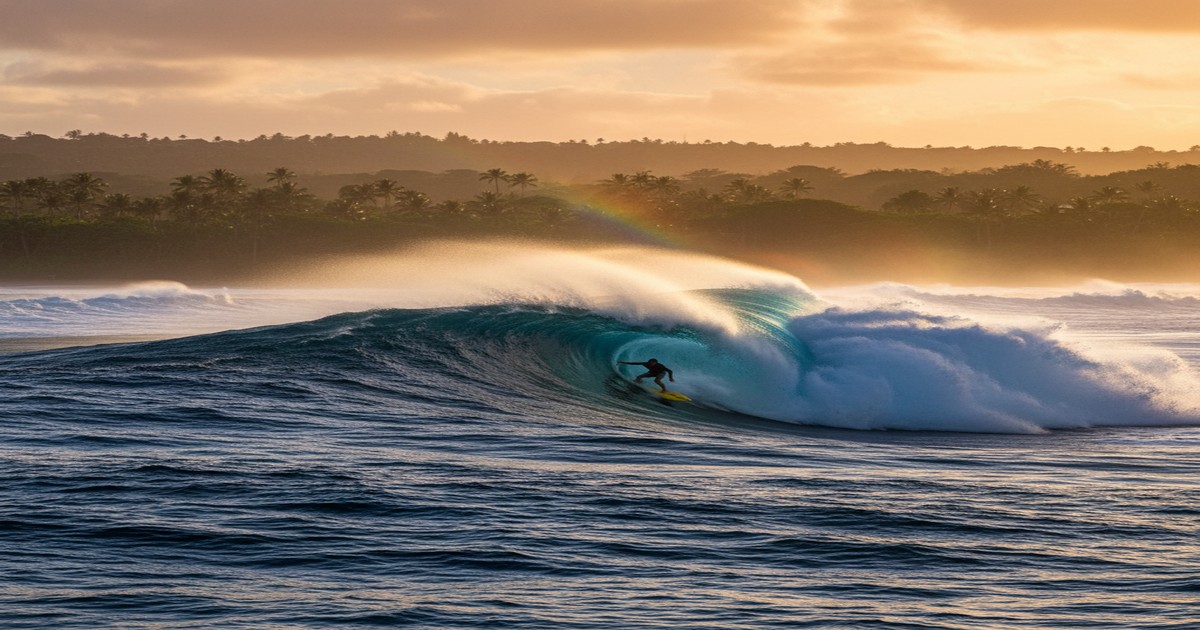
Shoots! So you're wondering why north shore waves bigger in winter? I get this question all the time from folks who show up in December expecting to snorkel at Tunnels, only to find waves that look like they could swallow a house. Let me break down the science behind Hawaii's legendary winter surf - it's actually pretty fascinating 🤙
Living on Kauai, I've watched these seasonal shifts my whole life. Summer, I'm snorkeling the north shore almost every weekend. Come November? Those same beaches become no-go zones, and the south shore becomes my playground. There's real science behind why this happens, and understanding it will help you plan your trip way better.
The Science Behind Winter's Monster Waves
Here's the deal: why north shore waves bigger in winter comes down to massive storms in the North Pacific Ocean. During winter months (roughly October through April), powerful storm systems develop way up north - we're talking thousands of miles away near Alaska and the Aleutian Islands.
These storms pack serious punch. Hurricane-force winds whip across the ocean surface, creating energy that travels through the water as swells. Think of it like dropping a rock in a pond - the ripples spread out in all directions. Except these "ripples" travel thousands of miles and build into 20, 30, even 40-foot waves by the time they reach Hawaii.
The wild part? These swells can take days to reach us, but they maintain their energy the entire journey. The deeper the water, the less energy they lose. And between those North Pacific storms and Hawaii? Nothing but deep, open ocean.
Why Summer Is Totally Different
Summer's a whole different story. From May through September, that area of high pressure I mentioned parks itself over the North Pacific. This basically shuts down the big storm factory up north. Sure, we still get waves, but they're way smaller and more consistent - perfect for learning to surf or paddle boarding.
Meanwhile, the south shore starts getting action. Winter storms in the South Pacific (near Antarctica and New Zealand) send swells north to us. That's why Poipu and other south shore beaches get bigger waves in summer, while the north shore stays relatively calm. It's like the island flips its personality twice a year.
I always tell people: if you want to snorkel the north shore, come in summer. Winter? Head south. The ocean literally tells you where to go based on the season.
Famous North Shore Surf Spots on Kauai
When winter swells hit, certain spots on Kauai's north shore become legendary. Here's where you'll see the action:
Hanalei Bay - This is probably the most accessible spot to watch winter surf. The bay has multiple breaks, and on big days, you'll see surfers riding waves that dwarf them. The pier area is perfect for spectating safely. Just stay on the pier or beach - never turn your back on the ocean.
Tunnels Beach (Makua Beach) - In summer, this is my go-to snorkeling spot. Crystal clear water, tons of fish, easy access. In winter? Forget about it. The same reef that creates perfect summer conditions turns into a wave-magnifying machine. I've seen 15-foot faces here easily. The parking lot fills with spectators, not snorkelers.
Lumahai Beach - Remember that beach from South Pacific? Yeah, beautiful to look at year-round, but winter surf here is no joke. The shore break can be vicious, and the currents are strong. Even experienced locals avoid swimming here in winter.
Cannons and Boathouse - These spots near Haena are for expert surfers only. When the swell hits just right, these breaks produce some of the most perfect - and dangerous - waves on the island.
The Role of Ocean Floor Topography
Here's something most people don't realize: it's not just about the size of the swells. The underwater topography plays a huge role in why north shore waves bigger in winter become so dramatic.
Kauai's north shore has extensive reef systems and underwater rock formations. When those deep-water swells roll in and hit shallow reefs, the energy that was spread out over deep water suddenly compresses. The wave jacks up, sometimes doubling in height in just seconds.
That's why you can have a 10-foot swell in deep water turn into a 20-foot wave face when it hits the reef. The combination of powerful North Pacific swells plus shallow reefs equals the legendary surf Hawaii is known for.
South shore beaches have different bottom contours - often sandier, with gradual slopes. Same-sized swells don't create the same dramatic waves. It's all about what's underneath.
Safety Real Talk for Winter North Shore
⚠️ Always check current conditions before heading out. When in doubt, don't go out! 🌊
Look, I gotta be straight with you about winter north shore safety. Every year, tourists get seriously hurt or worse because they underestimate the ocean. Here's what you need to know:
- Never turn your back on the ocean - Rogue waves can come out of nowhere, especially during high surf advisories
- Stay off the wet sand - If the sand is wet, waves can reach you. Period.
- Don't try to save your hat/phone/whatever - Not worth your life
- Watch from safe vantage points - Piers, lookouts, dry beach areas only
- Check surf forecasts - If it says "high surf warning," believe it
I've lived here my whole life and I still respect winter surf. The ocean is way more powerful than you think. Those waves that look "fun" from shore? They can hold you under for 30+ seconds. That's a really long time when you can't breathe.
If you want to swim or snorkel in winter, head to south shore beaches like Poipu or Lawai. They're protected from north swells and way safer.
Best Times to Experience Winter Surf Safely
Want to witness the power of winter surf without risking your life? Here's my advice:
December through February - Peak season for big waves. Some days hit 20-30+ feet. Check surf reports at Surfline or NOAA.
Hanalei Pier - Best viewing spot on the island. You're elevated, safe, and have a perfect view of the bay's multiple breaks. Parking fills up on big swell days, so get there early.
Kilauea Lighthouse - Another great viewpoint. You can see waves hitting the north shore from a safe clifftop position. Plus, you might spot humpback whales during winter months.
Mornings are best - Wind typically picks up in afternoon, making conditions messier. Early morning (6-9am) usually has the cleanest waves and best light for photos.
Bring binoculars if you have them. Even from safe distances, watching experienced surfers ride these giants is incredible. You'll understand real quick why people travel from around the world to surf Hawaii's winter waves.
How This Affects Your Trip Planning
Understanding why north shore waves bigger in winter should totally influence how you plan your Kauai vacation. Here's my practical advice:
Winter visitors (November-April):
- Book south shore accommodations if you want beach access
- Plan north shore visits for sightseeing, not swimming
- Check surf forecasts daily - conditions change fast
- Have backup plans for rainy days (winter is also our wet season)
- Don't miss watching sunset from Hanalei Bay on a big swell day
Summer visitors (May-October):
- North shore is your playground for snorkeling and swimming
- South shore beaches might have smaller waves but still beautiful
- Better weather overall, but also more crowded
- Perfect time to explore Kauai's beaches without worry
Honestly, both seasons have their magic. I love winter for the drama and whale watching. Summer for the calm water and endless snorkeling. You can't really go wrong if you know what to expect.
The Cultural Significance of Big Wave Surfing
For Hawaiians, surfing isn't just a sport - it's deeply cultural. Ancient Hawaiians called surfing "he'e nalu" (wave sliding), and it was practiced by all levels of society. Ali'i (chiefs) had their own breaks and special boards.
Winter's big waves were - and still are - a test of skill, courage, and respect for the ocean. The best surfers earned prestige through their ability to read and ride massive swells. That tradition continues today with events like the Eddie Aikau competition on Oahu (only happens when waves hit 20+ feet).
On Kauai, you'll see this respect everywhere during winter. Locals check the surf before work. Conversations revolve around swell direction and period. It's part of the rhythm of island life. We live with the ocean, not against it.
When the Forecast Says "High Surf Warning"
The National Weather Service issues high surf warnings when waves are expected to reach dangerous levels. On Kauai's north shore in winter, this happens regularly. Here's what different warnings mean:
High Surf Advisory - Waves 8-15 feet. Experienced ocean users should be cautious. Most people should stay out.
High Surf Warning - Waves 15+ feet. Dangerous conditions. Only expert surfers should be in the water. Beach closures possible.
Extreme High Surf Warning - Rare, but happens. Waves 25+ feet. Life-threatening conditions. Stay completely off beaches.
You can check current conditions at the Hawaii Ocean Safety website. Lifeguards post flags at beaches too - red means dangerous conditions, double red means beach closed. Take these seriously, rajah dat?
Why This Year's Winter Might Be Different
El Niño and La Niña patterns affect North Pacific storm development, which means some winters produce bigger waves than others. Climate patterns are complex, but generally:
El Niño years - Often bring more frequent and intense North Pacific storms. Can mean bigger, more consistent winter surf.
La Niña years - Can shift storm tracks, sometimes resulting in smaller winter swells or swells from different directions.
2025's forecast is still developing, but you can check NOAA's predictions for the latest. Either way, winter north shore will have big waves - it's just a question of how big and how often.
Final Thoughts From a Local
So there you have it - the real story behind why north shore waves bigger in winter. It's thousands of miles of fetch, powerful storms, deep water swells, and shallow reefs all combining to create some of the most impressive waves on the planet.
Whether you're here to surf, watch, or just understand the island better, respect the ocean. It's been doing this dance for millions of years, long before any of us showed up. We're just lucky enough to witness it.
Winter surf season is one of the most spectacular times on Kauai. The energy is different, the ocean is alive, and every big swell day feels like a celebration. Just stay safe, stay smart, and enjoy the show from appropriate distances.
Questions about planning your Kauai trip around surf seasons? Want to know the best spots for your skill level? Chat with me at https://alohakai.ai 🤙
And if you're thinking about making Kauai home after experiencing winter's magic, check out www.alohahenry.com for real estate options. Living here year-round means you get to experience both seasons - and trust me, they're both incredible in their own ways.
Mahalo for reading, and see you out there! 🌺